‘Animol’ Review: A Hard Hitting, Impressive Prison Drama Which Offers Hope
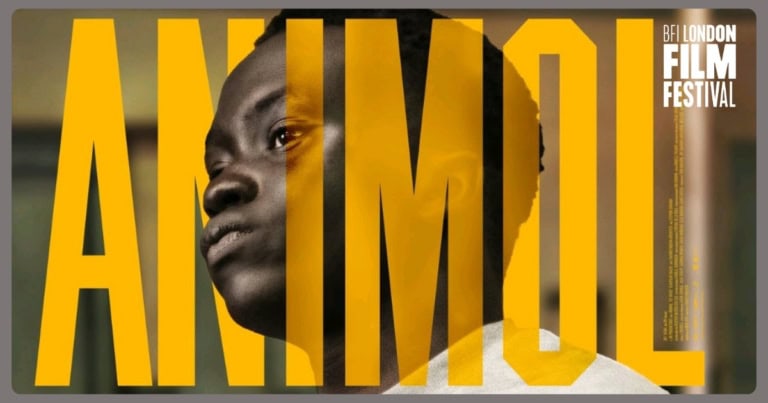
Animol lifts the lid on the behind-closed doors mystery of the process of youth rehabilitation within a young offender’s institute. This is Ashley Walters‘ directorial debut, as he switches sides to be behind the camera but permits his personal lived experience from those So Solid days to create a gritty, compelling incisive drama that is difficult to look away from!
What does the film’s title “Animol” mean?
Distinguishing itself from stereotypical portrayals of youths embroiled in gangs and running amok on London’s streets, the film presents the aftermath and an exploration of the duality of being placed on remand with all sense of freedom curtailed behind bars. Animol as a title could operate as a play on words for the description bestowed on some of these youth that may be perceived as feral and “animals.”
Yet, by following 15-year-old Troy’s (Tut Nyuot from The Long Walk) entry into such an institution closely, there is an intriguing portrait of the duality encountered. For Walters, this was key to presenting a challenge to those preconceived notions. He wished to shine a spotlight on those from disadvantaged backgrounds who may inevitably experience life as a young offender.
Yet, within this youth offenders institute, there is a flagrant disregard of the rules set and the usual societal structures. Troy is an anomaly with an air of naivety surrounding him, and so too is Krystiyan (Vladyslav Baliuk), whom he meets on day one. But Dion (Sekou Diaby) is also present on Troy’s first day and is apparently one of the “Top Boys,” which is surely a nod to Walters’ long-running appearance in the TV series Top Boy.
Whilst both Troy and Krystiyan share that connection of being outsiders compared to the rest of the other inmates, Animol quickly becomes an intense case of Catch 22 for Troy. He is unofficially recruited by Dion to smuggle in contraband, but Troy’s cellmate Mason is volatile and threatens him and Krystiyan.
The film becomes a fight for survival for Troy in his desperation to navigate the unspoken rules within the institution, which operates as a microcosm. Cleverly, the countdown of his days within remand serves as that reminder of the outside world and a tense notification of his need to escape this pressure cooker scenario with his wits intact.
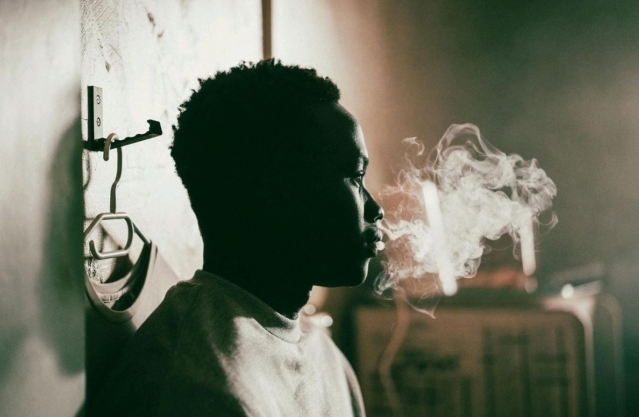
How does this movie differ from other prison-based dramas?
Animol operates as a microcosm, highlighting the noxious circumstances in which young, black British boys can unwittingly become embedded. Troy did not volunteer to become a decoy for Dion and to be immersed in further criminal activity. The stakes are therefore high for him, as his sentence could be lengthened if caught participating in such tasks. But equally, Troy yearns to belong and to receive protection from the wrath of his cellmate.
Reminiscent of recent films such as Wasteman (2025), which also highlighted some of the toxic dynamics with an unpredictable roommate. This film serves as a reminder of the precarious elements for those incarcerated, whose worlds become smaller and building strategic relationships are key. The pacing also illustrates just how quickly matters can escalate with one wrong step potentially unravelling all the good work undertaken to date to secure a prison release.
For Troy, his time in youth offenders is dependent on further evidence being sought in defending his court case. However, glimpses of his home life, by virtue of a visit from his mother, indicate a fractious background requiring the re-building of foundations.
Nyuot excels in portraying these multi-faceted dimensions to Troy and is convincing during his sensitive moments but is equally effective during scenes where he literally fights for his life and flexes those muscles. Close-up shots emphasise his remarkable ability to portray his frustration silently with his facial muscles pulsating expressively. This is truly an exciting portrayal to witness as he shares tremendous chemistry with Vladyslav Baliuk’s Krystiyan, who acts as his knight in shining armour on several occasions.
The film explores a contrast between beauty and toxic masculinity
The beauty of Animol is within a continuous display of this duality as it permits glimmers of positivity to emerge through characters such as Krystiyan and Stephen Graham’s Claypole, the welfare officer. The friendship that emerges between Troy and Krystiyan also reflects that sense of hope with their unwavering support of each other throughout the violence and risks that they have to endure.
Within the environs of the youth offenders institute are examples, from the other prisoners, of toxic masculinity, with each inmate attempting to prove his strength and ability to outwit others. Yet, Troy and Krystiyan’s misdemeanours seem minor in comparison, and the trials and tribulations that they face together solidify their friendship further, enabling moments of beauty to occur within a sterile, unforgiving Hunger Games-style environment.
Claypole advises Troy from the outset that many of the inmates might try to use him in their own efforts to survive. Graham’s character therefore acts as that counter to the high levels of testosterone-fueled activity by presenting that calm, positive demeanour, even when Mason pulls a knife out on him!
Animol film rating and overall impressions

Ashley Walters has crafted a tale that is bound to be an eye opener for many in exposing some of the tense situations occurring within such institutions for individuals held on remand at that stage after being arrested. Animol is outstanding in its depiction of such bleak institutional structures and the impact on inmates.
Walters has demonstrated a flair for skilled direction, and his re-union with renowned actor Graham, following the acclaimed TV series Adolescence, is an onscreen delight. This is a must-see, edge-of-the-seat drama of the Uncut Gems anxiety-inducing level and will hopefully pave the way for more films directed by Walters.
Animol releases in theaters in the U.K. on October 30, 2026.