Dorothy’s Role Holds ‘Wicked: For Good’ Back From Perfection
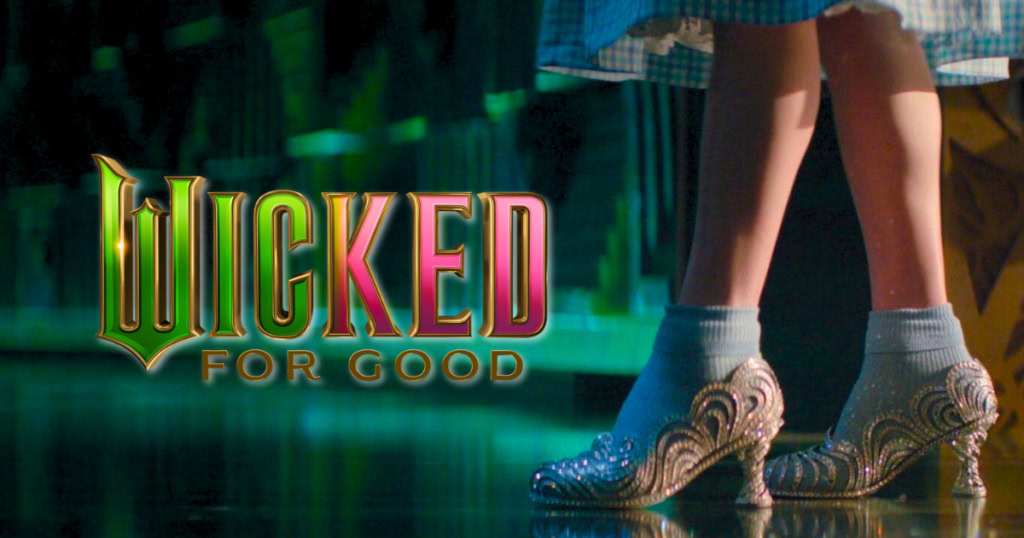
Wicked: For Good has finally flown into theaters worldwide after an excruciating year-long wait! The second half of the popular Broadway show, For Good explores Elphaba fighting to expose the lying Wizard of Oz and intersects with Dorothy’s mission to defeat her.
But the film deliberately glosses over Dorothy’s story, assuming audiences are already intimately familiar with her journey from the classic book and iconic 1939 film. While this choice mimics how Dorothy is treated in the stage production of Wicked, it doesn’t work in the context of a two-part film adaptation and inadvertently drags Elphaba and Glinda’s stories down.
It’s a common consensus among Wicked fans that the stage adaptation is incredible but bites off more than it can chew. The second act in particular is perceived as rushed and introduces some plot holes. These concerns should have been fully addressed by expanding Act Two into its own 2-hour and 17-minute film, but by treating Dorothy almost exactly like the Broadway show, Wicked: For Good shortchanges Elphaba.
[Warning: spoilers for Wicked: For Good are below!]
Wicked: For Good expands on everything except Dorothy
The central problem with Dorothy’s appearance in Wicked: For Good is that she becomes the only part of Elphaba’s story that isn’t explored onscreen. So much of Oz has been expanded upon in the Wicked films, from glimpses of Elphaba and Glinda’s childhoods and new songs to drive home their character development, to fleshing out the Wizard and Madame Morrible and bringing the Animal subplot full circle.
With so much added to the original story, Dorothy’s lack of screentime makes it feel like entire chunks of the film are missing. Dorothy’s non-appearance worked on stage because stage productions have different limitations compared to film productions. Films can depict more expansive locations, bring impossible feats like magic and flying to life more easily, and, if you split a story into two parts, can have a much longer runtime.
There’s a lot that happens offscreen in the stage version of Wicked (such as the aforementioned main characters’ childhoods), so Dorothy operating in the shadows didn’t feel particularly out of place. However, because the films have gone to painstaking effort to bring a lot more to the screen, Dorothy’s absence sticks out like a sore thumb.
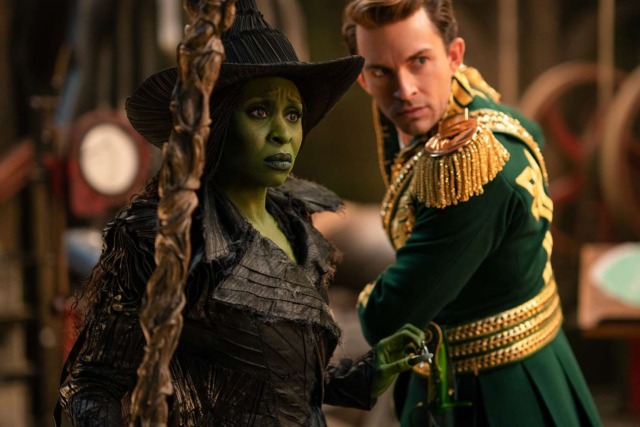
People on the internet may love to joke about it, but Wicked is a completely different universe from the original Wizard of Oz. You can’t simply substitute in the Dorothy scenes from the 1939 movie to figure out what was going on in Elphaba’s head in Wicked: For Good. The film’s refusal to touch Dorothy with a ten-foot pole results in Elphaba’s character arc falling off a cliff after she sings “No Good Deed,” particularly since you don’t even see her lean into being “wicked.”
There’s no exploration of Elphaba leaning into her selfishness and how her change in attitude leads her to lock up an innocent child. All of Dorothy’s interactions with Wicked’s versions of Glinda and Elphaba are left as a giant question mark since both characters are drastically different from their characterizations in the iconic 1939 film.
Wicked is already so different from The Wizard of Oz that it’s difficult to reconcile the two stories, resulting in the rushed pacing of Act Two and For Good. But with an entire film devoted to Elphaba and Glinda as adults, that gap could have been bridged in this film adaptation. It sounds like Dorothy wasn’t depicted as a full character due to respect for Judy Garland’s performance and to mimic her treatment in the Broadway production, but this choice actively hurts Wicked: For Good.
The Wicked films are not the stage adaptation for a reason. The stage show still exists (and is amazing), so there’s no need to box the films into exactly how things were done originally as long as the story is properly adapted. You can see these choices made in the costumes; for example, Elphaba isn’t wearing a dark blue beanie, and Glinda doesn’t wear shades of yellow and blue while at Shiz. While callbacks to the show are great, it’s also nice to see changes made for a new medium.
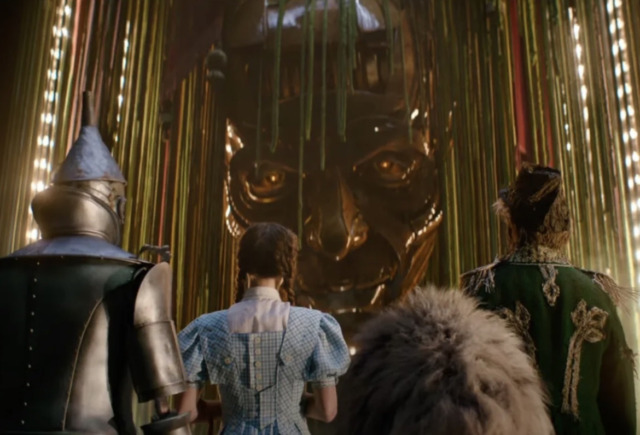
Dorothy being a proper character in Wicked: For Good would’ve been a huge change from the show and could have upset fans, but it also could’ve fixed the rushed ending of the story. Wicked focuses on Elphaba and Glinda, but that shouldn’t come at the expense of important supporting characters. Just as we got more time with the Wizard and Morrible in the films, more time with Dorothy would have gone a long way considering her importance to Elphaba’s character arc.
Dorothy should have spoken and other missteps in part 2
A few simple scenes with Dorothy could patch up many of Wicked’s plot holes. How did her interactions with Elphaba play out? Did she know the truth about her companions? What did she think of the Wizard once he was unmasked?
The assumption is that scenes progress like they did in the 1939 movie, but that doesn’t make sense given how Wicked reinterprets the story. For example, Elphaba hadn’t given into her “wickedness” when Dorothy met Glinda in Munchkinland, so the Wicked Witch’s first meeting with Dorothy must have played out differently.
The Tin Man isn’t a happy-go-lucky dancing fellow; he’s a disfigured, axe-wielding Munchkin hell bent on revenge. Wicked: For Good should have leaned fully into its new adaptation of Oz by depicting Dorothy as a true supporting character with her own scenes and dialogue.
It’s especially awkward to see Elphaba’s melting play out through shadows on a wall. It’s a choice that worked on stage, but on film it feels incredibly out of place for Elphaba’s interactions with Dorothy to occur offscreen given how important Dorothy is to the history of Oz.
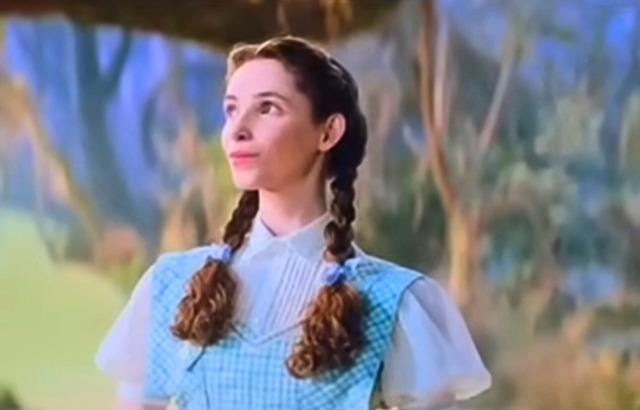
Dorothy has become unwittingly entangled in the politics of a fractured world, caught between two best friends while recruiting two of their classmates, and used as a pawn to keep a dictator in power. Given For Good’s deeper and darker themes, an actual examination of what it means for Dorothy to hunt Elphaba would’ve made the movie hit even harder.
Dorothy being a background character didn’t bother me when I saw Wicked on stage because the play moves along pretty quickly at a faster pace than the films. The Animal subplot famously falls away in the last quarter of the play, which For Good makes a point to correct by making them a bigger part of the story and giving them a happy ending. The same should have been done for Dorothy because she’s now the only part of Wicked that’s left abandoned and unexplored.
Wicked: For Good moves from scene to scene set after iconic moments in The Wizard of Oz, leaving the viewer feeling like they’ve missed key chunks of the story they’ve invested five hours of their life in.
Elphaba screams, “No good deed will I ever do again,” and then politely makes up with Glinda and “dies” in a glossed-over confrontation ten minutes later. The payoff to Elphaba’s character development is left offscreen with Dorothy, shortchanging the main character of Wicked and leaving behind the same frustrating plot holes as the stage adaptation.
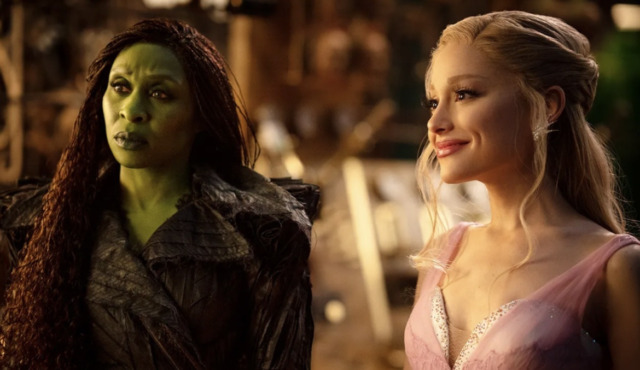
Dorothy’s treatment simply doesn’t work in a film production that’s successfully added layers upon layers to an already emotionally resonant story. By focusing more on Elphaba towards the end of the film and depicting her “wickedness” through Dorothy’s eyes, Wicked: For Good could’ve perfectly stuck the landing and proved that a two-part film adaptation can improve upon their source material.
While For Good is still a good movie, the script simply drops the ball in the film’s home stretch as it races past important plot points.
Also check out Book Review: Wicked by Gregory Maguire
Read more about the Broadway musical on BoxseatBabes.com Wicked on Broadway: A Must See Musical Experience