Jason Statham Kicks Ass in ‘Shelter’
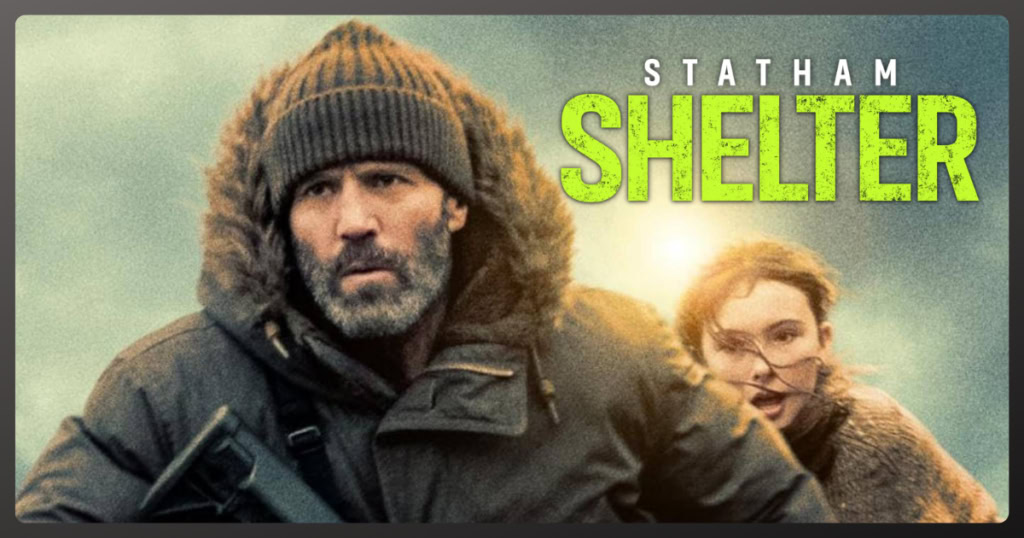
It appears that Ric Roman Waugh is this year’s Richard Linklater, having released two movies in the span of a month. While the first title of his January compendium, Greenland 2: Migration, unfortunately did not have a theatrical release outside the United States, his latest effort, Shelter, is getting a global rollout, and it might just be the most January movie that’s ever Januaried. It’s a disposable (but highly enjoyable) actioner that hits where it counts and misses where you expect it to be.
Shelter’s lead star, Jason Statham, may be on autopilot and has been for a long time. He’s also collecting collaborations with the Waugh siblings like Pokémon cards after working with his brother Scott on Expend4bles). That being said, the tactile energy of the picture can’t be overstated.
Fun, well-choreographed action helps lift up Shelter
Shelter isn’t a film that’s set out to win any awards, nor will it be remembered by the public consciousness (and myself) by the time the year wraps; but the pleasures offered by Ric Roman Waugh’s latest outing (his most refined action picture yet) are so jubilant that you’ll at least have a good time watching a film that doesn’t seem to take itself too seriously.
Of course, don’t let the self-serious, grim nature of the project fool you. Once you’re past the dramatic first half of the movie, where gruff and reclusive former Black Ops soldier Michael Mason (Statham) begins to care for a young girl named Jessica (Bodhi Rae Breathnach) after the tragic death of her uncle, the fun kicks into gear. Statham’s “particular set of skills” sees him dismantle as many baddies as possible through a succession of varied and vigorous action sequences, all superbly mounted and effectively choreographed.
Maybe Statham phones it in as much as Liam Neeson does nowadays, but the tactility of Waugh’s direction compensates for the lack of texture of any one-note characters we meet in the film.
Bill Nighy portrays Shelter’s primary antagonist. He’s a corrupt, retired director of MI6 who still spies on his former place of work and has manipulated an AI algorithm named T.H.E.A. to kill people he would like to ensure don’t come back to haunt him.
Ward Parry’s screenplay has much to say about surveillance, corporate espionage, political corruption, and the unfettered dangers of artificial intelligence. But by the time Shelter reaches its climax, the mostly layered story falls flat into the biggest of all whimpers. Mason might get his revenge, but not at a cost that feels satisfactory for the protagonist or the audience.
This might have been the point. But the way in which Waugh consistently cuts back to MI6 and its acting director (played by Naomi Ackie) makes us feel as if this story has great urgency within Mason’s personal quest for revenge. Unfortunately, it has little impact by the time the film trudges through this conclusion.
It may also be because none of the characters are actively developed in this. All are paper-thin, with little to no emotional evolution from beginning to end. This was expected for a film that seems to be made in the grand tradition of the Cannon Group, meaning shoddy politics, incredible action, and little to no character growth or depth throughout its runtime.
Jason Statham fans will be satisfied
Let’s be honest, though: you’re not here to watch character growth, and you certainly don’t care about the film’s iffy conservative politics. You bought a ticket for Shelter to see Jason Statham kick ass.
You’ll be more than satisfied seeing him go through a series of impeccably-directed and exhilarating action scenes that range from comedic close-quarter fistfights to car chases of high intensity. One such sequence imagines the “River of Hills” bit from Paul Thomas Anderson’s One Battle After Another in tighter, wobblier natural territory.
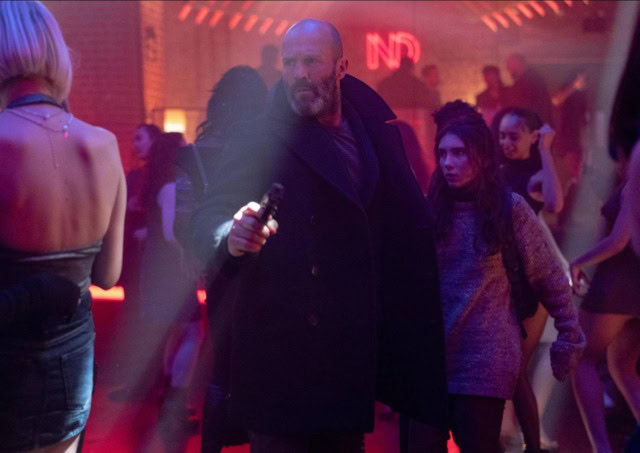
There’s even a club scene that posits Mason as a John Wick character of sorts—one whose emotional attachment is minimal but whose fighting skills will take down anyone in his way. (Spoiler alert: there’s also a dog in this, and let’s just say the protagonist is further pissed off when something happens).
Perhaps there could be limited catharsis for the audience, knowing that Mason is practically invincible, taking hit after hit and outsmarting even the smartest bad guy in the room. But the joy of seeing Statham in complete control of the camera, fighting as if his life depended on it, remains unmatched. It perhaps doesn’t reach the highs of his best mid-stage performance in Guy Ritchie’s Wrath of Man, but the action of it all is certainly the most thrilling he’s been in a long time.
Some may have appreciated his collaborations with David Ayer, but the Suicide Squad filmmaker’s action direction isn’t as cogent—or tactile—as Ric Roman Waugh. He seems to have perfected the techniques he developed in 2023’s Kandahar to great effect.
It also helps to have an incredible cinematographer, Martin Ahlgren, at your side. Ahlgren captures the propulsive action with a real energy that makes the audience feel every hit and gunshot as if they’re the ones in the middle of the action. One such cut will make you believe that you’re being shot at! Amazing stuff.
Final thoughts on Ric Roman Waugh’s Shelter
Shelter may not reinvent the screenwriting or thematic wheel, but none of it matters when the spectacle is so unabashedly fun. The film practically forces you to stop taking any of it seriously and turn your brain off for a bit.
Some movies make you think and ask audiences to perceive the world (and this artform) a bit differently than they are used to. Shelter isn’t this film. It knows exactly what it wants to be and hopes the audience knows it, too. And as an appetizer for what will likely be the best Jason Statham film of the 2020s with Timo Tjahjanto’s The Beekeeper 2, it couldn’t have been better.