‘Mortal Shell II’ Game Review: A Unique Soulslike Experience
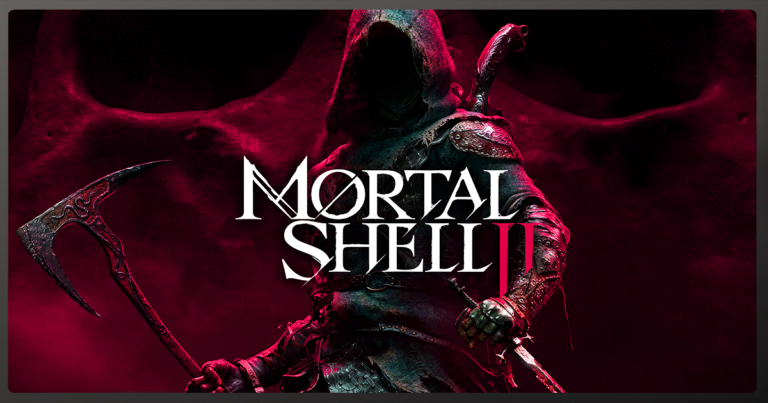
Mortal Shell II feels like the feedback on the prequel from the players really helped to create a game that’s better than its predecessor. This sequel keeps the central identity of the first game while dramatically expanding almost everything that was used before. It is larger, faster, more flexible, and far more confident about what kind of action Soulslike RPG it wants to be.
The original Mortal Shell was an interesting Soulslike, but it was also clearly limited by the resources and experience of Cold Symmetry Studios. Its most memorable concept was the ability to possess the bodies/spirits of fallen warriors, allowing you to use their skills to make your character builds more physical and personal rather than simply changing and adjusting equipment. Unfortunately, the rest of the game did not always reach the same quality.
What makes the sequel particularly exciting is that Cold Symmetry has not simply tried to make a bigger version of the original. Instead, they decided to change or even completely remove certain mechanics that are part of soulslikes.
The stamina bar is gone, combat is considerably faster, ranged weapons are now a meaningful part of weapon and skill builds, and exploration has been expanded into an interconnected open world. The result is a game that still understands the pleasure of learning enemy patterns, discovering hidden paths, defeating intimidating bosses, carefully planning out your strategy, and slowly becoming stronger.
[Warning: Spoilers from Mortal Shell II are below! It is also worth noting that I played this game on PC.]
The story in Mortal Shell II doesn’t require you to play the previous game
The story in this game follows the Harbinger, a mysterious being prophesied to reclaim the Undermether’s stolen Ova from the creatures guarding them. That deliberately establishes the dark fantasy world of Mortal Shell II.
The meaning of this world is scattered across characters, locations, Shell memories, environmental details, enemies, and fragments of lore. Even the terminology used in the game feels intentionally mysterious, with words such as Ova, Undermether, disciples, false gods, and the Unfound Path, which create a mythology that slowly becomes more understandable as you progress throughout the story.
There are eight lost warriors scattered throughout the world, and discovering their Shells does more than provide a new set of abilities. Each one represents a different history, personality, philosophy, and set of powers to use.
Their stories are slowly revealed through memories and upgrades, giving the Shell system a purpose that the first game only hinted at. Instead of feeling like you are walking through this ruined world for nothing, inside there are remains of people who already lived, fought, failed, and died there.
That approach works particularly well because, from what I’ve noticed, Mortal Shell II does not require knowledge of the original game. It exists as a sort of standalone adventure. Even though familiar elements and connections are there, they do not make you feel like you’re missing something.
The story is still deliberately mysterious, and the fantasy narrative gives this story a feeling that you are looking for answers that the game tries to keep hidden from you, unless you prove yourself worthy of discovering them. The downside is that some characters and concepts can feel underdeveloped, particularly when the game introduces important ideas without giving them enough room to breathe. This gets better as you play.
The setting itself is also a significant improvement. The original Mortal Shell made exploration confusing without always making that confusion rewarding. Mortal Shell II takes a much more confident and original approach, offering you much larger areas.
The world is still designed around discovery rather than a traditional open-world checklist, similar to Elden Ring or other Soulslikes. It is a compact world where taking the wrong path can lead to obtaining a new weapon, discovering another dungeon, receiving an upgrade, encountering enemies, or obtaining a piece of lore.
The Soulslike gameplay was reinvented and feels fresh
An immediately noticeable change in the gameplay of Mortal Shell II is the removal of the stamina bar. That is a relatively significant change because it entirely changes the rhythm of combat.
You can attack, dodge, sprint, and maintain pressure without constantly watching a stamina meter. Instead of wondering whether you have enough stamina for one more attack, the game lets you focus more on timing enemies’ attacks and whether you are positioned correctly. It creates a much more aggressive combat system without removing the need for patience, action, and winning.
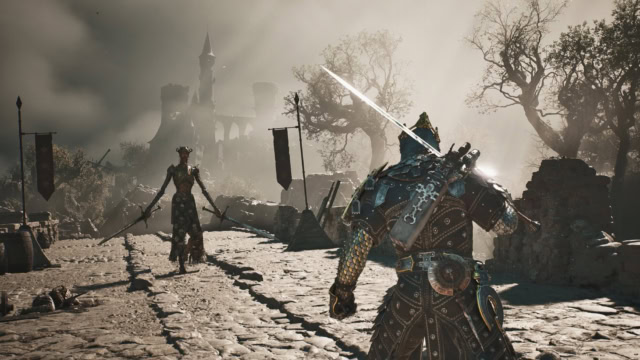
This decision could easily have turned Mortal Shell II into a button-mashing action RPG, but Cold Symmetry decided to introduce the Posture system to keep encounters focused and more balanced. Enemies can be pushed toward a vulnerable state through attacks, blocks, and well-timed defensive sections.
Once their posture breaks, you can use that to make your way with powerful attacks and brutal finishing moves. This creates a satisfying rhythm between aggression and strategy. You are encouraged to attack constantly, but reckless attacks still have consequences because timing, positioning, enemy reach, and incoming attacks matter more.
The eight Shells provide the foundation for the mechanics. Each warrior has different strengths and abilities, and the deeper upgrade structure gives you much more freedom than the original game.
Shell progression is connected to memories that reveal more about the warriors while unlocking additional upgrades. Your investment in a Shell also gives you more understanding of the person whose body, skills, or soul you are using. It is one of those systems where narrative and gameplay actually support each other.
The weapon system has also been expanded considerably. There are eight primary melee weapons and eight sidearms, creating sixteen major options across the full arsenal. The melee selection covers very different approaches to combat, while sidearms add another layer to creating your own strategies and tactics for encounters.
This additional variety becomes particularly important when combined with Tarstones, Seals, Shell abilities, and upgrades. The game gives you enough pieces to create different builds without making you feel like you’re under a lot of pressure to create a perfect set for each enemy.
Overall, what matters in terms of gameplay is that the combat feels responsive and purposeful. When you die, the game usually gives you enough information to understand why. When you finally defeat an enemy that previously defeated you, the victory feels earned because you have improved rather than simply dying enough times.
Mortal Shell II game rating and final thoughts

Mortal Shell II is a surprisingly ambitious sequel. Cold Symmetry has taken its strongest idea, the Shell system, and rebuilt it. The result is faster combat, more in-depth customization, better exploration, a more coherent world, greater weapon variety, and a story that uses the mysterious qualities of the original game to fuel the sequel.
The game is not flawless. The world occasionally lacks variety, some enemies can feel unnecessarily durable, and the camera can become problematic in busy fights, but this sequel is a successful game in terms of innovation, discovery, not wasting your time, and keeping you interested.
Mortal Shell II doesn’t just copy the usual Soulslike formula; it tries to work around it to create something unique. Removing stamina could have been a dangerous decision, but it works to let you experience the game differently.
Adding ranged weapons could have made melee combat irrelevant. Instead, these changes let Mortal Shell II find its own identity. The game still has tension, mystery, difficulty, environmental storytelling, and satisfying progression.
This sequel feels like the natural evolution of the prequel’s best ideas. For anyone who found the first Mortal Shell too limited or awkward, the sequel deserves a completely fresh look.
For Soulslike gamers searching for something that understands the genre without simply becoming another imitation of Dark Souls, Mortal Shell II is one of the more interesting choices.
Mortal Shell II is now available to play on PC, PlayStation 5, and Xbox Series S/X.