‘The Boys’ Season 5 Mid-Season Review
The first five episodes of The Boys season 5 deliver the trademarked brutality and uncomfortable moments as intended, but what really defines the final season is how heavy and serious everything feels. Every conversation carries tension, every decision feels like it’s irreversible, and the pacing slows down just enough to let you absorb the consequences of the character’s actions. That makes everything land harder.
What stands out immediately is how deliberate the storytelling becomes. There’s confidence in how this season starts. Writers know exactly where everything is heading, and they aren’t interested in distracting you along the way. Not being guided through a story anymore, you’re being dropped into the middle of something that’s already spiraling out of control and is sure to end in a global catastrophe.
And that’s what defines this season and the first five episodes the most. It’s the realization that things have already changed, and no one is prepared for what that actually means.
[Warning: spoilers from The Boys final season are below!]
The Boys season 5, the story so far
The story at this stage of season 5 is almost complete. Everything that was used in the series so far to create story arcs, brutal scenes, and everything else is heading towards closure with a big finale. The power of supes are no longer hidden behind corporate messages or PR stunts and lies. It’s out in the open, being unapologetic, anarchic, and deeply rooted in the structures of society.
On the surface, there are still clear objectives like stopping the threat, exposing the truth, surviving the conflict, and making sure that peace will last forever. But underneath that, there’s a much deeper story, which proves that none of those goals are actually achievable. The systems and supes Butcher, Hughie and the gang are fighting against are too large, too evil, and way too messed up.
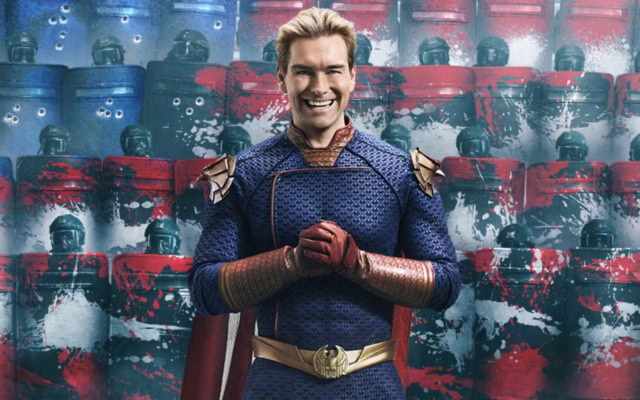
Homelander’s (Antony Starr) influence has turned into something that feels almost untouchable. It’s not just about fear anymore. It’s about control over perception, over narrative, over what people choose to believe, and over what they must do for supes to rule the world. At the same time, the resistance against that power feels more unstable than ever. The Boys aren’t operating as a unified team, and the story does not attempt to hide that.
One of the most interesting aspects of this season is how it handles momentum. Instead of building toward a single explosive event in each episode, it spreads tension across multiple story arcs leading toward an explosive finale.
There’s also a noticeable change in how the consequences of actions are portrayed. Earlier seasons often delayed the fallout of major decisions, giving characters time to react and adapt. But now, here, consequences are immediate and much more dangerous than ever. One mistake leads directly into another problem, with no breathing room in between.
As soon as each episode ends, you’re not wondering how things will be resolved. You wonder how much worse they can get before the end.
Character development for Homelander,Butcher, and Hughie in the final season
Homelander’s transformation is perhaps the most unsettling. He’s no longer defined by instability or impulsive violence. Instead, he operates with a kind of calculated confidence that makes him far more dangerous. There are moments during which it can be seen that he understands his position in the world now, not just as a powerful individual, but as a symbol that people gather around.
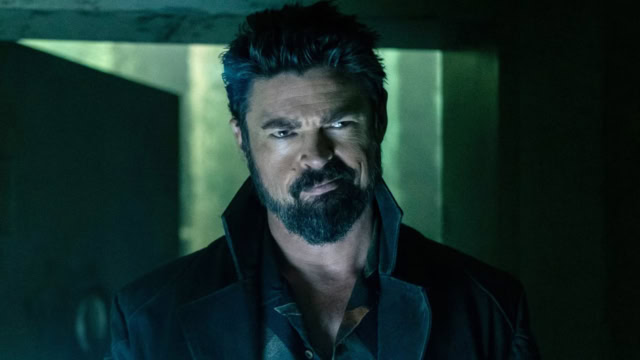
Billy Butcher (Karl Urban), on the other hand, is running out of time. His decisions become more extreme, but what’s interesting is that they don’t feel impulsive. They feel deliberate, thought through, and not hasty like in previous seasons. He accepted that there’s no version of this story where he walks away.
Hughie’s (Jack Quaid) arc continues to evolve in a way that feels deeply personal. He’s always been caught between wanting to do the right thing and being pulled into situations that force him to compromise. In the final season of The Boys, it’s less about external pressure and more about how he processes the surrounding reality. He was always the most afraid member of the group, but now, there’s an intensity and courage to his story, where small decisions carry a lot of emotional weight.
Starlight’s (Erin Moriarty) journey changes the overall dynamic in the team. She’s no longer someone trying to expose the system from within. Instead, she’s doing everything she can to exist outside of it, without the support structures she once relied on.
What makes this season stand out in terms of character work is how it introduces new emotional stakes in such a short time, without relying on entirely new characters. Instead of expanding the cast significantly, it deepens the existing relationships and conflicts, which once again creates a bond that will never break.
Overall, the characters in those first five episodes of the final season don’t feel like they’re growing in a traditional sense. They feel like they’re adapting to a reality that’s becoming increasingly hostile, harder to live in, and impossible to comprehend. And that adaptation comes at a cost. You can see pieces of the person they used to be, but those pieces are being slowly destroyed by everything they’ve experienced.
Looking towards the final episodes of The Boys season 5
By the time this mid-season reaches the point where everything is being questioned, and your brain stops to think about what may be next, there’s a clear sense that the endgame is approaching.
The biggest advantage of this season so far is how irreversible everything has become. Homelander’s position, in particular, puts him in a position where a future without opposition isn’t just a dream. It’s something possible, only if he goes and chooses extreme measures.
Some moments show how the final season will push characters into choices that redefine them completely and change the stakes forever. The first five episodes set up multiple story arcs that could lead to irreversible decisions like sacrifices, betrayals, or destruction.
Another important element is how the show understands and explains the idea of “winning.” Currently, victory doesn’t look like a simple outcome. It looks like survival, or at best, damage control, with Homelander dead and other supes not being a threat.
In the end, The Boys season 5 so far succeeds in being one of the best seasons of the show, because it understands and embraces the past of everything that has come before it. It doubles down on complexity, on consequence, on brutality, gore, and more. It just teases us with the best possible ending in this world without teasing us with hope in terms of “everybody’s alive, they’re all happy, and they lived happily ever after.”
Also check out: Gen V Season 2 Review: Confronting A Darker Reality in ‘The Boys’ Universe