‘When You Open The Door’ Review | Fantasia Fest 2026
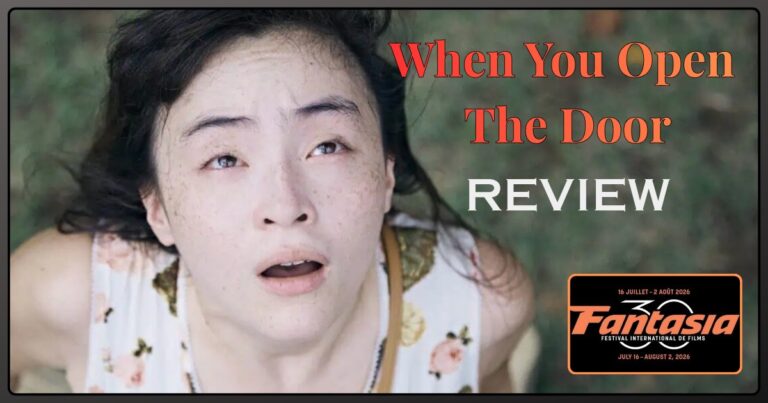
When You Open The Door is one of the more unconventional offerings at the 2026 Fantasia International Film Festival. The film brings a fresh approach to the mythology of werewolves. It takes one main character down a mysterious path as she tries to understand the changes inside her.
Unlike previous werewolf interpretations, there is no big monster that attacks the central figure of the story. And for this vision, there are no gnarly, grotesque transformations to speak of. Instead, the beast is treated like a supernatural entity. The type of force that begins with possession and slowly takes hold from the inside out.
Directed by Eriko Katagiri, When You Open The Door centers on Miki (Serena Motola), a quiet, reserved woman who lives a quiet life with her boyfriend and works as an architect. Right out of the gate, Miki has a strange persona, exhibiting the timid personality of someone who could potentially snap at any moment. Even at her job, Miki is mostly antisocial. Most of her coworkers go out for lunch together, but Miki stays in the office, focusing on her work and often eating alone.
Eriko Katagiri’s slow cooker werewolf movie
When You Open The Door takes its first bizarre turn as Miki drops a piece of food that becomes sentient, stands upright, and rolls away from her. Once she catches up to it, Miki is hit by a flash of light, becomes paralyzed by the spiritual aura of a wolf, and collapses to the ground with two oddly placed bites on her neck. Later, the fang marks vanish, and those around her explain that wolves are extinct in Japan.
The unconventional approach to the werewolf transformation begins to show itself from here. Her boyfriend hears Miki speak an unusual language in a deeper register when she sleeps, and her oddball doctor finds it hysterical that Miki might be possessed.
The film is strongest when it plays everything more elusively. Many scenes show Miki dealing with subtle shifts in behavior and appearance, and these sequences unfold with patient pacing. She has a pet bird, and her treatment of the animal quietly changes with each narrative shift.
The added anxiety manifests in visions and unsettling dreams she cannot explain. One of these dreams is chilling, depicting Miki’s mother behind an obscure glass door, with the silhouette becoming animalistic. The execution almost hits for greater, and if it had reached its mark, the experience could have felt like Cure meets The Fly.
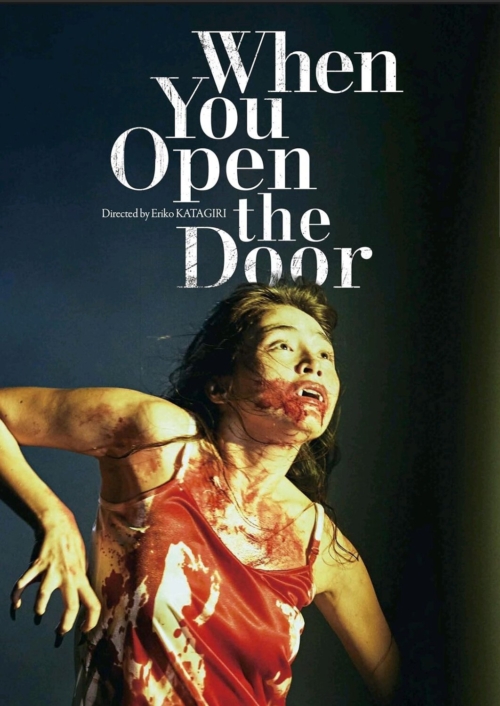
While When You Open The Door is good, it falls short of that potential. When it stops showing restraint, it loses some of its mysticism. And when the werewolf does appear, it resembles the character designs from the movie Cats.
The trouble with werewolf pictures is that they are highly dependent on the transformations and creature reveal. Unfortunately, the production wasn’t ready for either. And that’s a shame because there is a version of this film that never needed an elaborate transformation, especially because filmmaker Eriko Katagiri is comfortable throughout, keeping details ambiguous and implied.
When You Open The Door has flaws but triumphs with atmosphere

Still, When You Open The Door stays afloat on sheer stamina, trying something new. The film’s atmosphere absolutely works, and the script is bold in its attempt to reinvent the ideas behind werewolves.
Moreover, Serene Motola’s performance is quietly commanding. No matter how mundane the situation, Motola holds the viewer’s attention. The implied approach is also reflected in some of the film’s depictions of violence. For instance, when a character feels attacked, a doll is pulled apart in stop-motion. The eating of a bodily organ is replaced with a gummy-sized version of the same organ. The person in question is obviously eating a real organ, but they see it as a deliciously sweet, Jell-O-like object. If all this could be implied, so could the creature effects, given the budget constraints.
Overall, I greatly enjoyed Miki’s slow-burn, strange journey. The lead character is as unconventional as the screenplay itself, which made most of the experience feel like a deep breath for the werewolf genre. There are third-act issues, especially regarding creature effects. But between covens, spirits, medical doctors who, for some reason, understand possessions, and one of the most disturbing scenes involving eating chicken, When You Open The Door has enough to redeem its shortcomings.
Also check out: Fantasia Film Festival 2026: You Are The Film Review