‘Godzilla Minus Zero’ Review: A Terrifying and Mesmerizing Sequel
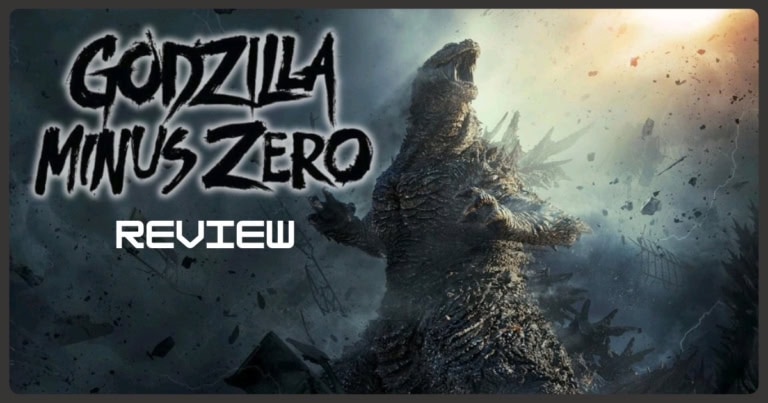
Godzilla Minus Zero is truly surprising. For most American blockbusters, the Hollywood system seems afraid to slow down and let characters fill the space. Yet, for all of its visual splendor, Godzilla Minus Zero does just that.
The sequel to Godzilla Minus One could’ve gone bigger and more explosive, in the vein of most monstrous spectacles like Godzilla versus Kong. And every so often it does. But filmmaker Takashi Yamazaki returns with something more sincere to the heart of the Toho legend.
Like the original, Godzilla Minus Zero is deeply rooted in Japan’s trauma. It’s not just about the monsters, but about the lingering wounds left by the devastation and the drive to prevent it from ever happening again. Even if that means making the hardest decision possible, and digging for forgiveness when all you can see is grief.
What is the story in Godzilla Minus Zero about?
Godzilla Minus Zero centers on Koichi Shikishima (Ryunosuke Kamiki) and Noriko Oishi (Minami Hamabe), who are mostly trying to live a normal life after the destructive events of the first film. They are now taking care of their adopted daughter, Akiko (Sae Nagatani).
The film barely gives them time to breathe or any peace, showing a new monstrous flying creature destroying a town in Japan. The monster is Ghidorah, a vicious, dragon-like beast that seems to follow bad weather. Here, we are reintroduced to Kenji Noda (Hidetaka Yoshioka) and his team of intelligent strategists, who are now forming a plan to destroy the new monster.
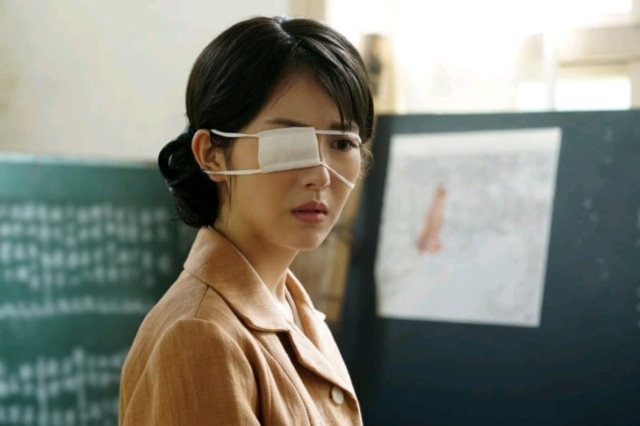
The writing introduces a compelling character: Makoto Aoyama (Masami Nagasawa), a meteorologist who uses weather predictability to pinpoint Ghidorah’s next location. Then a biology professor joins the team: Kanji Murakami (Min Tanaka).
Kanji’s intentions are good, but he harbors great resentment from the terrible aftermath of Hiroshima. His inner angst is transparent when he has to work with the Americans to take down the new threat. To make things worse, Godzilla is alive and well and resurfaces from the bottom of the ocean.
Takashi Yamazaki’s direction is mesmerizing and terrifying
Once Noda rebuilds his strategy and team, the movie does something pretty effective that most modern blockbusters don’t seem to capture. For example, most Godzilla movies in the United States lean on bombastic set pieces that feel incoherent.
Furthermore, some modern blockbusters focus more on spectacle than on clearly showing how humans might fight something gigantic and terrifying. Godzilla Minus Zero continues to demonstrate intelligent characterization, showing smart people trying to think through extremely harrowing circumstances.
The action scenes are tremendous and incredibly realized. But it’s the details of how they try to pull off the impossible in a David-versus-Goliath scenario. At times, it almost feels like a heist film, where we see a group of characters attempting to pull off the ultimate theft. Only here, it’s humans trying to kill a three-headed terror.
Some of these sequences are truly terrifying, especially the moments involving King Ghidorah. One shot in particular shows the monster using gravitational force from his mouth to lift an entire town into the air. And a fighter pilot navigates the chaos as we see parents, families, and children inside their homes, risen into the air and fearing the moment that they might be dropped.
The first movie had its horrific moments. But this sequel definitely aims to unsettle the audience amid the unfolding spectacle.
Godzilla Minus Zero film rating and final thoughts

Similar to the first film, Godzilla Minus Zero is elevated by some surprisingly strong performances. Especially by Min Tanaka, who plays a troubled biology professor dealing with intense grief. Through his character’s story, Minus Zero finds something deeply profound worth exploring in a modern context.
He holds major resentment towards the Americans who killed his family during the war and is sometimes blinded by that pain to an extreme fault. We won’t go too far into the specifics, but it’s very akin to the current situation going on between Israel and Palestine. When Israel faced a tragedy, the country seemed to be hell-bent on responding in the worst possible way to that tragedy by causing more bloodshed than originally initiated.
Everything builds to an emotional climax with depth and bold ideas that force characters to make incredibly hard decisions. There is even a moment that makes audiences get quite emotional. The only problem is that the film builds to an extremely bold finish that would easily have stuck with the viewer for a long time.
But before it could find the strength to stick to those convictions, the screenplay completely reverses course. It doesn’t hinder the experience as a whole, but it was frustrating to see the film pump the brakes on a refreshingly risky ending.
Overall, Godzilla Minus Zero matches its predecessor in both tone and scale. It’s a follow-up that continues to honor the legacy of Japan’s greatest monster and the symbolic roots of its creation through the lens of genocidal warfare. It’s not perfect, but it’s astonishing to think that we are still receiving prestigious Godzilla films in 2026.
Also check out: Ranking All The Live-Action Toho Godzilla Movies